
An essential component of the maritime industry’s efforts to ensure the safe and compliant transport of hazardous materials. By meeting the stringent requirements of this standard, manufacturers can provide durable, legible labels that contribute to safer maritime shipping practices and protect both people and the environment.
When it comes to labelling hazardous materials and dangerous goods for marine transport, ensuring the durability and legibility of labels is of utmost importance. This is where BS 5609, a British Standard specification for marine-grade adhesive, comes into play.
So, let’s take a look into the importance of BS 5609 and its role in maintaining safety and regulatory compliance in the maritime industry.
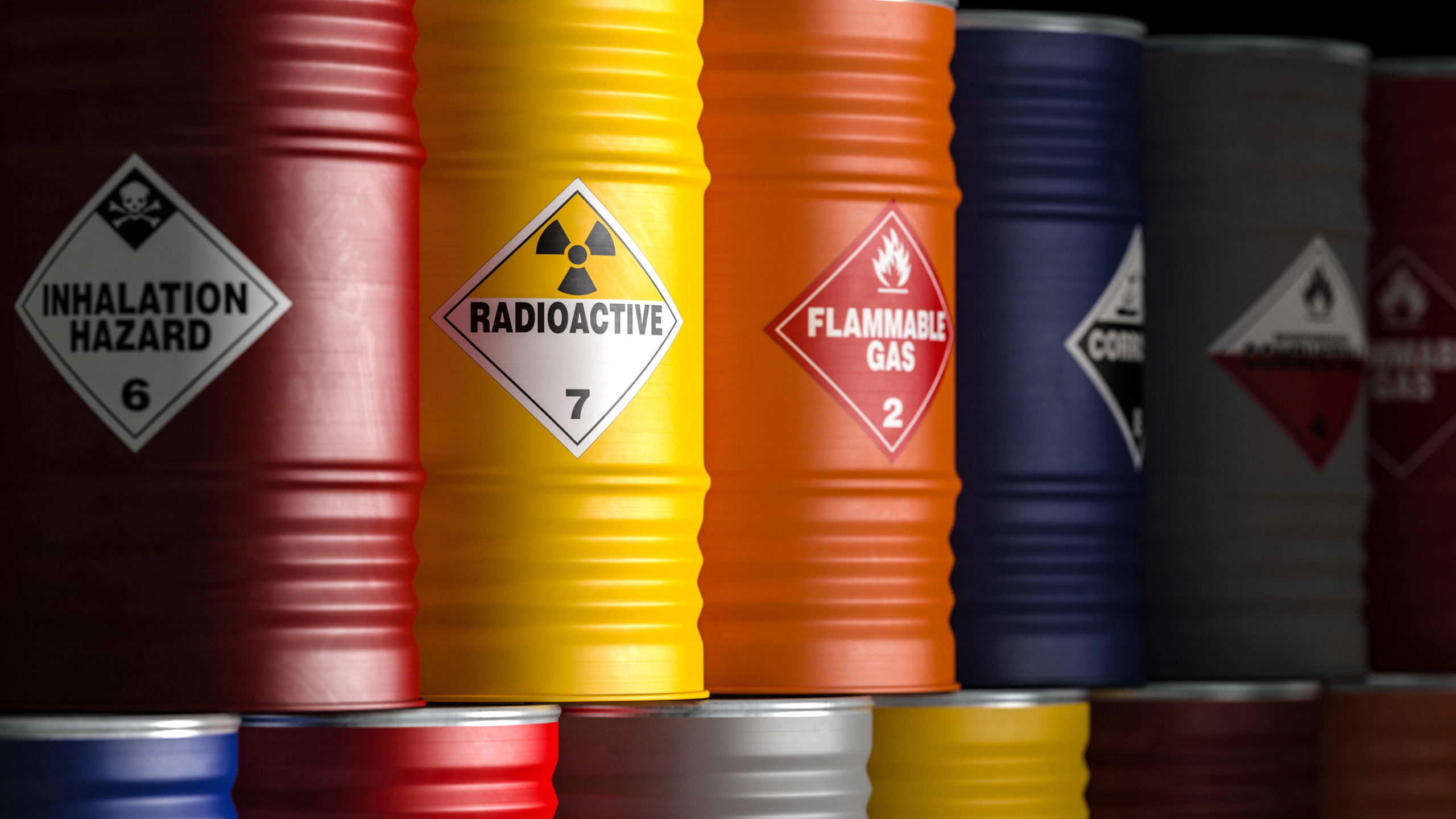
BS 5609 is a standard that outlines the specifications and testing methods for pressure-sensitive, adhesive-coated labels used in marine environments. Established by the British Standards Institution (BSI), it ensures that labels can withstand harsh conditions such as saltwater immersion, UV exposure, and extreme temperatures, thus preserving crucial information about hazardous cargo during maritime transport.
BS 5609 marine-grade adhesive offers several advantages, including:
• Durability: BS 5609-certified labels undergo rigorous testing to demonstrate their resistance to saltwater, abrasion, and weathering. They must remain legible and intact even after three months of saltwater submersion.
• Regulatory Compliance: Compliance with BS 5609 is essential for meeting the International Maritime Dangerous Goods (IMDG) Code and Globally Harmonized System of Classification and Labelling of Chemicals (GHS) requirements.
• Safety: By maintaining the legibility of labels, BS 5609-certified adhesives help to ensure the safe handling and transport of hazardous materials, reducing the risk of accidents and environmental damage.
To achieve BS 5609 certification, labels must pass a series of tests designed to assess their performance under marine conditions. These tests include:
BS 5609 marine-grade adhesive is primarily used for labelling hazardous materials and dangerous goods during marine transport. This includes a wide range of chemicals, oil and gas products, and other potentially harmful substances. By ensuring the durability and legibility of labels, BS 5609 plays a crucial role in maintaining safety and regulatory compliance throughout the maritime supply chain.
Food (and drink) labels are required by law and are important for many reasons.
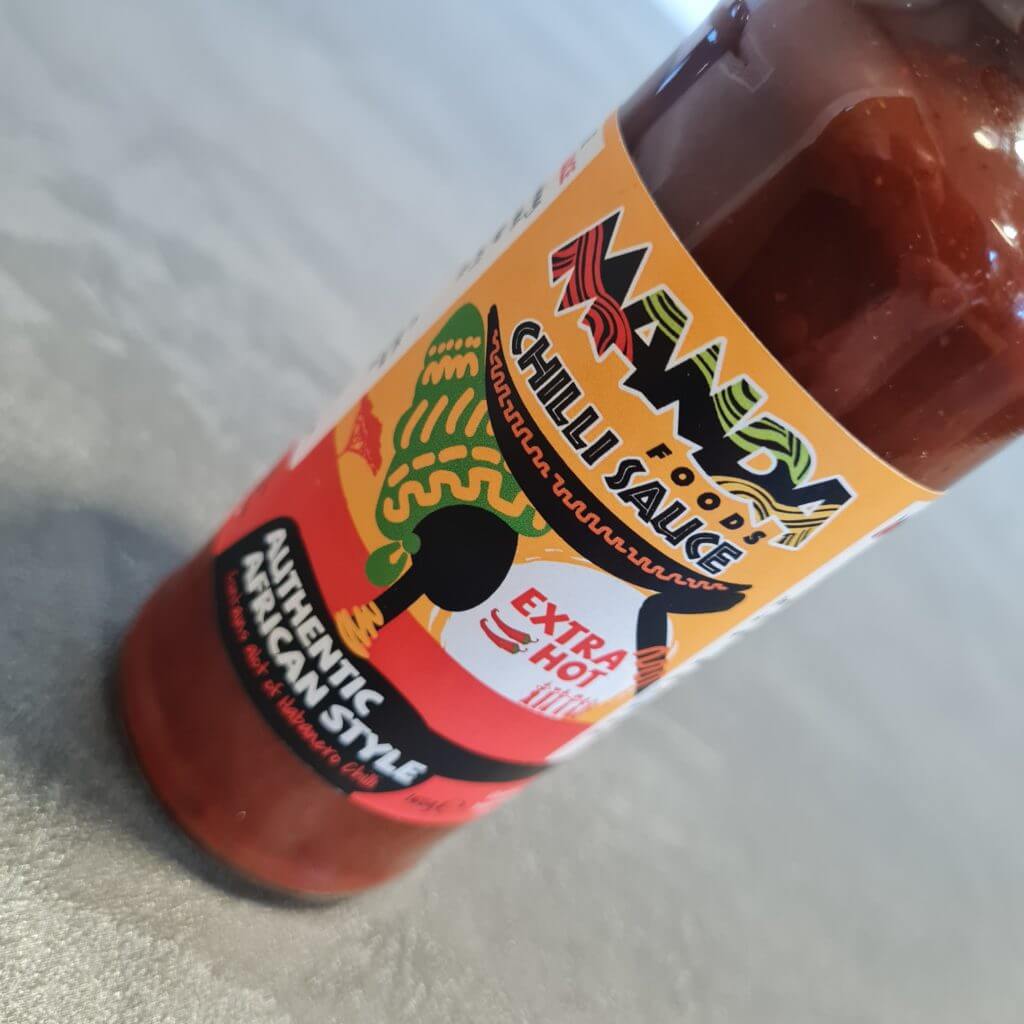
Food labels are a great way of advertising your product as consumers rarely buy something without knowing what’s in it. Quality packaging and clarity of information on the product label help the consumer make an informed choice and feel they are buying a great product. The label is part of your brand and product marketing.
Essential Basics
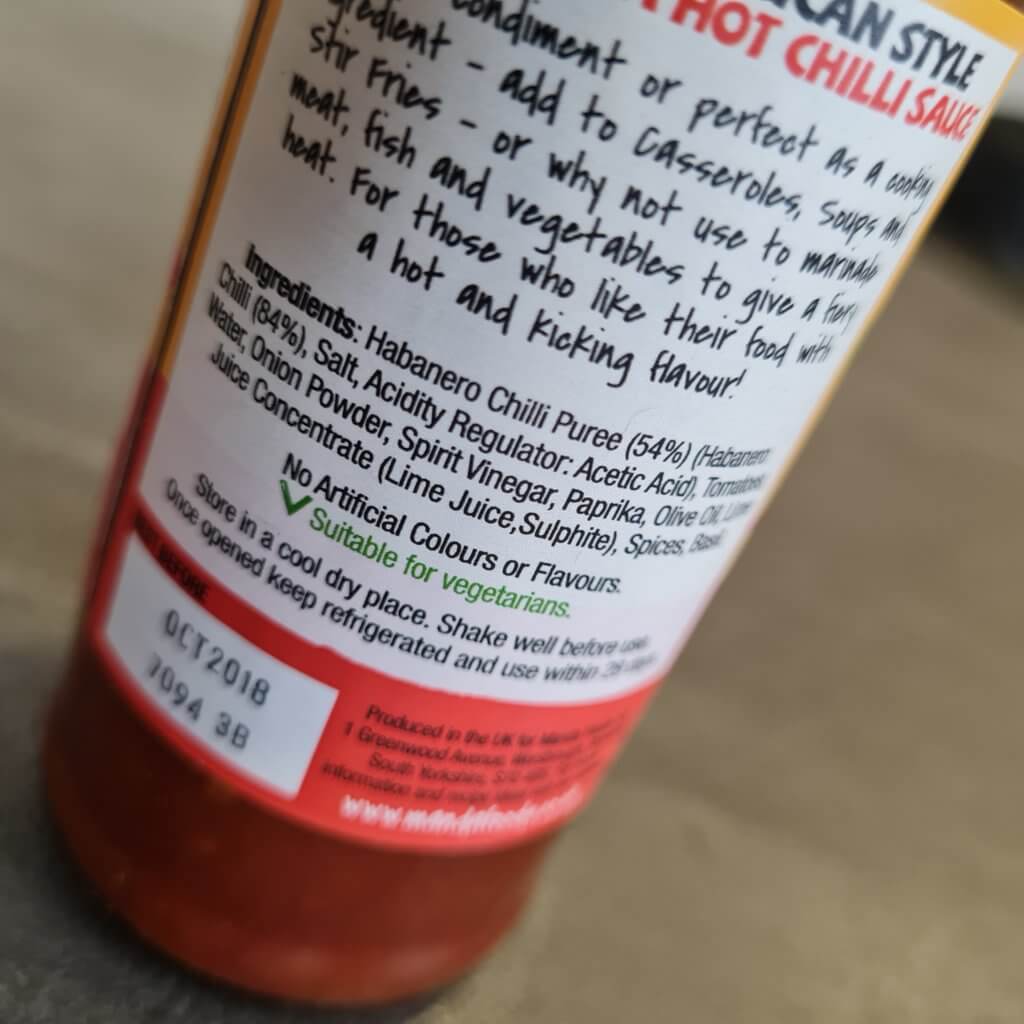
Here are some of the things you should think about displaying on your food labels.
Nutrition and Dietary Advice
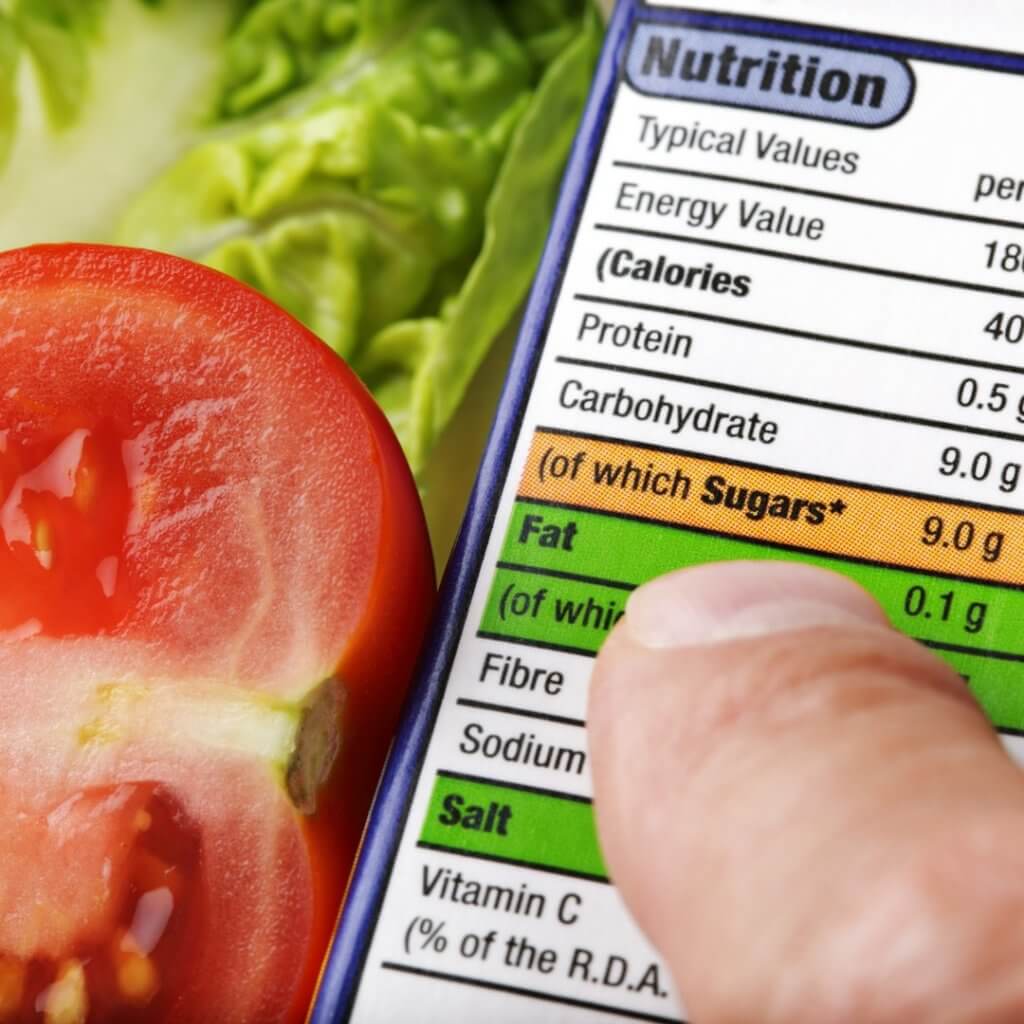
Since 2016, all pre-packaged goods have been required by law to provide nutritional information.
Customers have grown more interested in nutritional value, especially as awareness of food-related illnesses and health issues grow. Customers are making healthier choices.
What is Natasha’s Law?
Following the tragic death of Natasha Ednan-Laperouse, a girl who died as a result of an allergic reaction to a Pret a Manager baguette containing sesame seeds, the UK government announced that tighter rules were needed to safeguard people with allergies.
This came into effect in October 2021.
Any business producing food directly for sale is required to label it with the name of the food and a full ingredients list, with allergenic ingredients emphasised within the list.
